Everything You Need to Know About Pets: Tips, Tricks, and Useful Information
Adopting a pet without asking the right questions risks destabilizing your home. Nearly one-third of abandonments could have been avoided simply by measuring all the implications in advance. Even the breeds known to be the easiest can quickly show problems if their real needs are ignored. The rules change depending on the species, including paperwork to fill out, health requirements, and obligations that are sometimes overlooked, especially for new pets. Legal texts are not just for show, and even the slightest deviation can be costly.
A poor diet often sends dogs, cats, and other pets to the veterinarian, while wise advice could have prevented this necessary trip. Quality information is available, but one must take the effort to access it.
Why adopting a pet changes life
Living with a pet disrupts the balance of the household. Dog, cat, rodent, or fish, each species imposes its codes and demands real involvement. Buying is not enough: one must commit for good. In France, nearly 80 million animals live with us, proving that they now occupy a prominent place in family life. Adopting is not just giving in to an impulse: it is a decision with heavy consequences, for the animal as well as for humans.
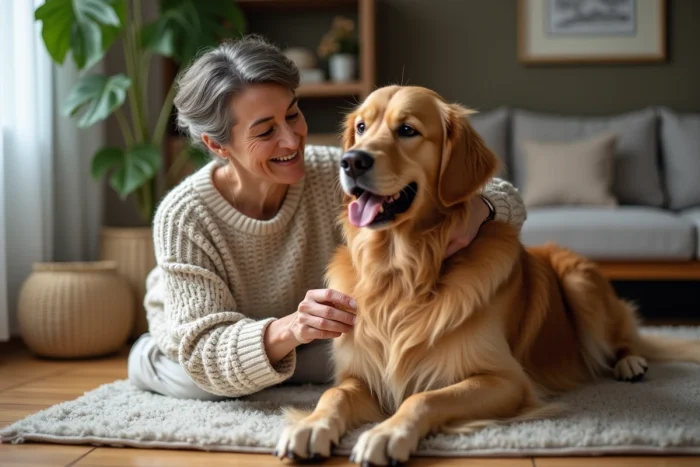
Going to a shelter is offering a second chance to those abandoned and actively fighting against the scourge of abandonments, which is dramatic every summer. Before adopting, one must choose wisely: lifestyle, household energy, and available space should guide the decision. For the younger ones, living with an animal sharpens patience, respect, and empathy. Adults, in turn, sometimes find unexpected emotional support.
To illustrate what a pet can change in a family’s life, here are everyday situations:
- Getting up earlier for the dog’s walk often allows for reconnecting with regular exercise, even when motivation was previously lacking.
- An independent cat ends up demanding attention and play, revealing the need for a lively environment.
- Rodents and fish, behind their discretion, require adaptation and rigor; otherwise, their health suffers.
Refusing abandonment also means preparing for the arrival of this companion by seriously informing oneself about the welcome advice, needs, and mistakes to avoid. Taking the time to visit the Animal Passion website gives access to a wealth of information designed for these key moments and lays the foundation for a solid adoption.
What essential care for your companion’s well-being?
Caring for a pet does not stop at food and a bed. Vigilance is practiced daily. Identification by microchip or tattoo is mandatory, not optional. Registration in the I-CAD file links the animal to its official owner and prevents many tragedies when a runaway occurs. This rule applies to both kittens and puppies.
Vaccination blocks serious diseases and limits the spread of epidemics. Protocols change depending on the species or breed: only the veterinarian will know how to adapt the injections to your companion’s profile. Considering spaying/neutering helps prevent overpopulation, curb certain behaviors, and protect the immediate environment. Many cities and associations organize identification, vaccination, and then controlled release of stray cats to prevent their proliferation.
The choice of food remains central: specialized kibble, homemade meals, fresh water available. Dogs need walks and activity, while cats require a stimulating environment. Regarding grooming, each coat requires appropriate care, and a well-arranged environment reduces stress and incidents. At every stage, whether puppy or kitten, adult, or senior, the routine evolves, always with the veterinarian’s support.
Consider these priorities to best care for your animal:
- Identification by microchip or tattoo, mandatory for dogs and cats.
- Regular vaccination to prevent major risks.
- Spaying/neutering for health, well-being, and balance of the animal population.
- Diet adapted according to age, activity, and morphology.
- Secure and stimulating environment to respect natural instincts.
Resources and practical advice for responsible adoption
Welcoming a pet involves everyone in the household. Before opening the door, one must honestly examine their daily life, constraints, patience, or energy available in the long term. Shared responsibility is essential. A puppy or kitten never responds to a mere whim, and one must anticipate every consequence, collective first, individual next.
The law requires owners to assume all actions of their animal. From property damage to injuries, every incident can engage civil liability. It is therefore essential to review insurance contracts: coverage is not automatic, and certain categorized dogs require additional steps.
A solid organization makes a difference. During vacations, plan for care: hire an experienced pet sitter, ask friends, or book in advance with approved facilities. An animal left unsupervised is exposed to accidents, but also to the temptation of abandonment. Planning is protecting their routines and peace of mind during your absence.
Some concrete recommendations for adopting without improvisation:
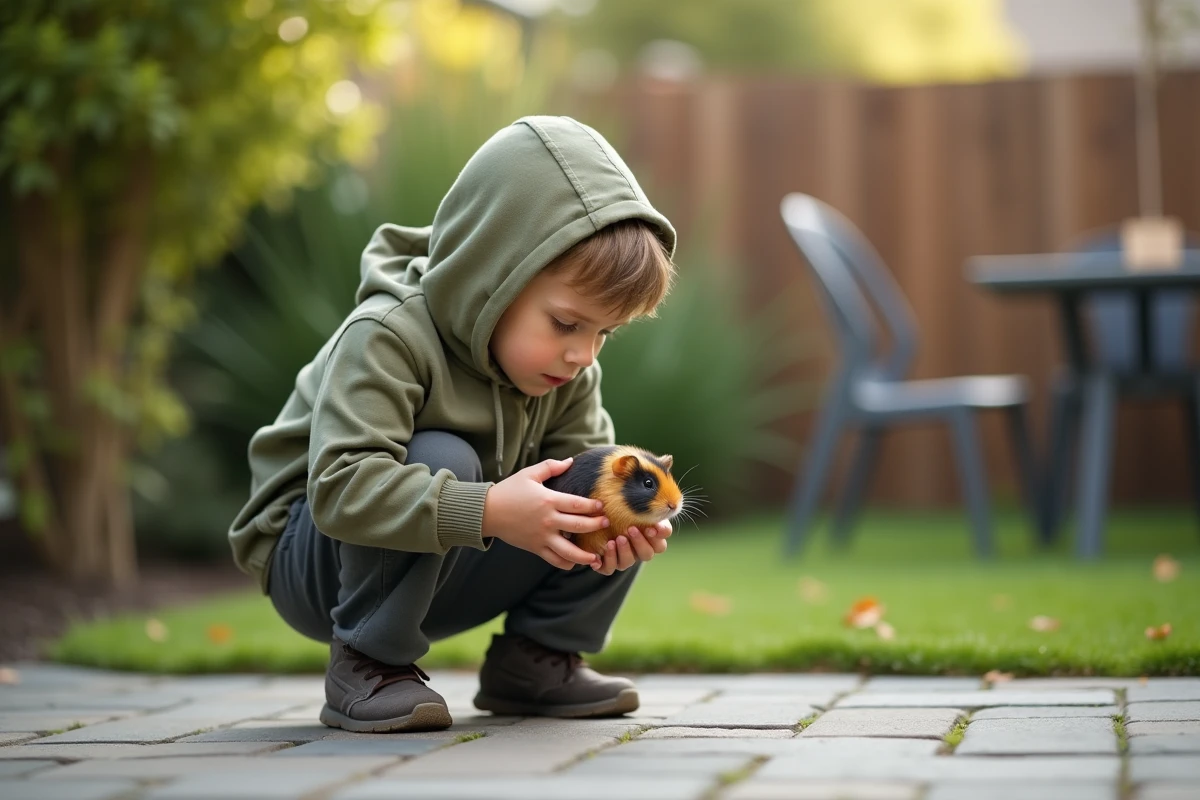
- Involve the child in the pet’s life so they learn respect and empathy, far beyond mere entertainment.
- Contact an animal protection organization for guidance from placement and follow-up specialists.
- Consult a veterinarian before and after adoption to adapt the home and anticipate all specific needs of the chosen species.
Behind every well-considered adoption lies a promise: to offer an animal stability, respect, and happy moments. This choice transforms daily life, weaves complicity, and often restores meaning to routine. Welcoming an animal is not just opening your door; it is expanding your world, day by day.