Essential Fashion and Decor Trends to Enhance Your Parisian Interior
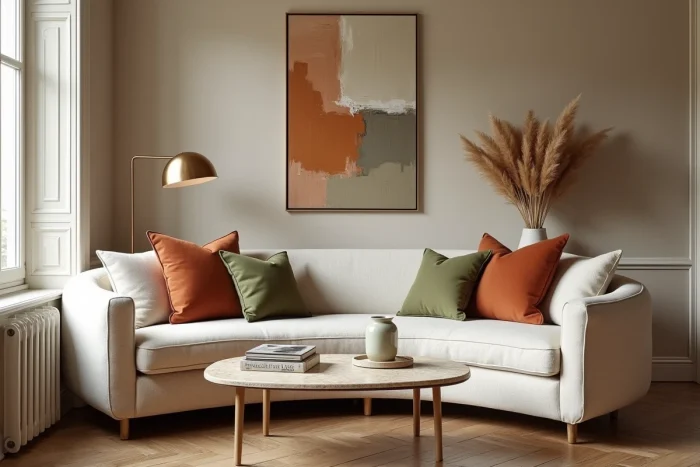
What criteria truly distinguish an updated Parisian interior from a decor merely inspired by magazines? Between the thermal constraints imposed by regulations and the rise of bio-sourced materials on construction sites in the Île-de-France region, the trends in fashion and decor for a Parisian interior are no longer limited to a choice of palette or furniture. This article compares the concrete decisions that structure the renovation and layout of an apartment in Paris today.
Bio-sourced materials and reuse in interior renovation in Paris
Parisian decor articles mention wood, linen, or rattan as ambiance accessories. On construction sites, the reality has changed scale since 2023-2024. Fiberboard panels, cellulose insulation, and recycled material partitions are now integrated from the design phase by interior architects in the Île-de-France region.
The Order of Architects of Île-de-France reports a significant increase in bio-sourced solutions in the renovation projects of Haussmannian apartments. Reuse (reclaimed doors, second-hand flooring, restored antique ironwork) is no longer a marginal activist approach: it has become a central argument in specifications, including among social landlords in the Île-de-France region.
This evolution directly modifies the decor vocabulary. A contemporary Parisian interior does not merely showcase a natural aesthetic: the materials carry traceability, a short supply chain, and sometimes a reuse certificate. To keep up with the latest developments in the Parisian scene, platforms like parisavenue.fr regularly document the addresses and projects that shape the city.
Thermal constraints and energy performance diagnosis: their influence on Parisian decor choices
The Climate and Resilience Law has introduced a timeline for banning the rental of properties classified F and G in the energy performance diagnosis. In Paris, where the old real estate stock predominates, this constraint directly impacts interior design choices.
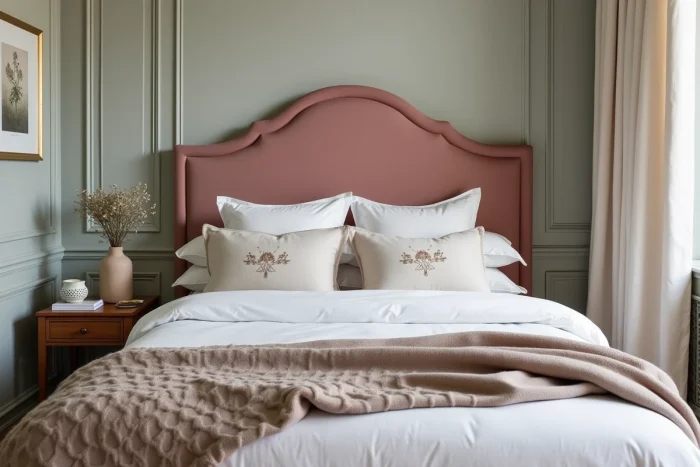
Several Parisian property management agencies have noted since 2023 a marked increase in renovations incorporating decor solutions with thermal functions. Double curtains, thick rugs, insulating sheers, and window coverings are no longer optional comforts. They contribute to the energy optimization of the housing, sometimes enough to shift an energy performance classification by one letter.
| Decor element | Aesthetic function | Thermal function |
|---|---|---|
| Thick double curtain | Dresses the window, adds textile volume | Reduces heat loss through old glazing |
| High-density rug | Anchors a space, adds visual warmth | Insulates the floor, limits thermal bridges on old flooring |
| Insulating sheer | Filters light, preserves privacy | Buffer layer between glazing and living space |
| Window covering (blind, interior shutter) | Graphic line, play of shadows | Barrier against summer overheating and winter cold |
This dual use transforms the decor reading grid. A Parisian homeowner renovating their apartment now weighs the visual outcome against the measurable performance of a textile or covering.
Redesigned lighting to compensate for enhanced insulation
Window and wall insulation sometimes reduces natural brightness (thicker double glazing, added interior shutters). Parisian interior architects compensate for this loss with warm spectrum fixtures positioned as low sconces, which diffuse light without creating marked shadow areas. The design of these fixtures becomes a decorative element in its own right, in line with the trend for functional and visible objects.
Fashion and interior textiles: the convergence that redefines Parisian style
The link between fashion and decor is not new in Paris, but it is taking on a more structural form. Parisian fashion houses collaborate with furniture fabric editors, and the seasonal palettes of haute couture directly influence collections of household linens, cushions, and wall coverings.
Three axes emerge from this convergence:
- The deep colors from the fashion shows (dark burgundy, forest green, midnight blue) are found on sofas, headboards, and curtains, replacing the neutral tones that have dominated for a decade.
- Mixed textures (corduroy velvet paired with raw linen, grained leather on light wood) replicate in the living room the textile layering logic typical of Parisian wardrobes.
- Decorative objects resulting from fashion/design collaborations (vases, trays, candlesticks) function as accessories: they define an interior without saturating it.
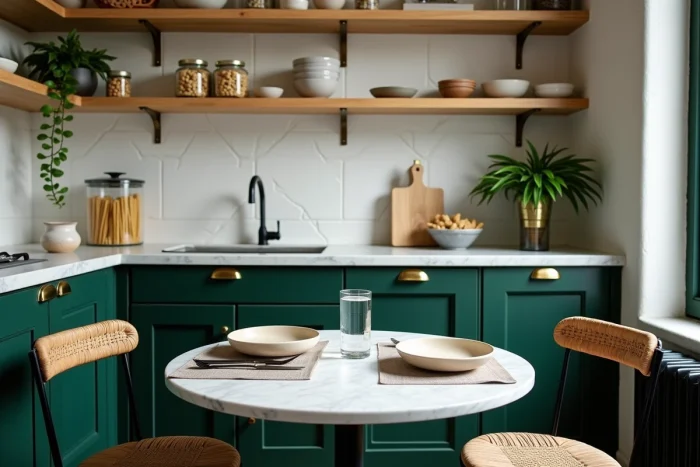
This approach distinguishes a Parisian interior from a simply “trendy” one. The textile choice relies on a coherence between material, color, and function, not on the accumulation of decorative pieces.
Reuse of antique objects and contemporary design: the Parisian balance
The most accomplished Parisian apartments in 2025 share a common trait: the coexistence of an antique object (gold mirror, period fireplace, marble console) with contemporary furniture featuring clean lines. This juxtaposition is not coincidental.
Interior architects working on Parisian renovations structure their projects around two or three strong pieces inherited from the existing building. The rest of the furniture is chosen for its formal neutrality, so that the antique object becomes the focal point without visual competition.
Reuse also applies to less spectacular elements: reclaimed brass door handles, repositioned cement tiles in a bathroom, balcony ironwork transformed into wall shelves. Each recycled piece carries a patina that new items do not replicate, and it is precisely this controlled imperfection that gives the Parisian interior its unique texture.
The balance between renovation and pure decoration has shifted. A convincing Parisian interior in 2025 relies less on an overt style than on the coherence between regulatory constraints, material quality, and precision of associations. The textile choices with dual thermal and aesthetic functions, the use of bio-sourced materials, and the enhancement of reuse create a reading grid where each decorative element fulfills a measurable role.